One Thing You Should NEVER Do When Trying to Publish a Book
Advice about Advice
Hello Friends,
I may have fallen out of love with Threads. I was hoping it would scratch an itch left raw after the implosion of Twitter (Bluesky has some juice but not the juice) and I hate to admit it but I like social media. Maybe I’ve just been totally duped by the algorithms? I don’t know. I’m working it out with my therapist.
But for a bit there, I was stoked that there was so much opportunity to talk about publishing and writing on Threads, at least what was showing up in my feed. I love answering questions and I got to do so much of that there. So many people crossed my feed with questions like Is it better to traditionally publish or self-publish? or Do I need a literary agent? And I cracked my knuckles and got ready to dive into the discourse.
And I answered (some) of those questions. And others of the more answerable variety. Should I worry about the formatting of my sample pages? (Yes, but not as much as you think.) or Can I send more than one query to an agent at the same time? (Please don’t.) Answering these kinds of questions made me feel useful and I really like that. (I’m working it out with my therapist.)
But now it feels like all I’m seeing are the more… unique questions. I heard agents hate everything they read on Fridays so should I withdraw my query before the weekend and resubmit on Monday? (I’m kidding. Mostly.) or Is middle grade dead as a genre thus are we all doomed because kids aren’t going to learn to love books? (No, but it’s tough right now.) I don’t know where writers are hearing these kinds of things and who is saying them but that seems to be the nature of the internet. I don’t expect I’ll ever know and the only thing I can do is try to debunk misinformation as much as I reasonably can. But WOW, writing and publishing advice is wild out there.
There is also some AMAZING advice going around. I’m reading Elizabeth McCracken’s book right now, and it’s CHOCK FULL of advice I’m nodding my head to and vigiously underlining in my copy. I highly recommend this book, which I picked up on my lovely visit to Parnassus Books in Nashville, TN this weekend when I was on vacation with my family. My advice is you should go read this book instead of Threads. But then, do these other things, too.
Remember that not all advice is for you.
I might tell you not to write a prologue, but I am sure I can point to twelve books where the prologue works beautifully. Writing and not writing a prologue is good advice, depending on who you are and what you’re writing. Confused? Good. That means you’re paying attention.
Advice isn’t what you should do. It’s what worked for someone else.
A prologue worked for someone else because they looked at their book and said this prologue works because it does X and Y for the story not because I heard prologues are cool so I’m doing it or I don’t know how else to get this information to the reader or Real writers do fancy things like prologues. The writer stepped back, put aside their ego, and said what does my story need? What does the reader need? And the answer at this particular time was prologue. It won’t necessarily be for the next one.
Advice is not a shortcut.
It is understandable that you’d want to learn from the experience of successful people so that you can hasten your own success. That might happen! But taking all the best advice there is about query letters and applying it to your query will not make your time in the trenches 39.6% shorter. I don’t think there is any way to mathematically improve your chances of querying successfully because a machine is not reading your queries. (I promise. No reputable agents are using AI to screen queries.) You cannot optimize me reading your email except to tell me about your book the best way you can. I’ve never recorded whether I reject more queries on Fridays and I never plan to. Who cares? That’s not how any of this works.
The biggest kicker of all advice is that it’s obvious once you gain some experience.
I know now what my mother felt like all those times she told me not to worry about that zit on my chin or if my jeans weren’t the exact right kind of distressed. No one was paying that close of attention to me. They only cared about themselves. This is is correct and good advice and I am completely unable to convince my own child of it. This is the way. This is how it should be. My kid will have to learn it on their own, and maybe if I am lucky, they will tell me I was right. (Mom, you were right.) SO much writing and publishing advice is obvious to me now, not just because it is my job, but because I’ve been doing it for 20 years. Some books work and some don’t and that’s the way it goes. That thing you can’t stop thinking about is the thing you should write. You most likely won’t sell the first thing you try to write/query/publish. Even the biggest names still get rejected. What that other person got has nothing to do with you might get as an author. I can sit back and absorb all this writing and publishing advice because I’ve seen it in action, both with my own work and my clients’. I’ve seen one thing work for one writer and the same thing backfire for another. ¯\_(ツ)_/¯ is sometimes the only reliable answer.
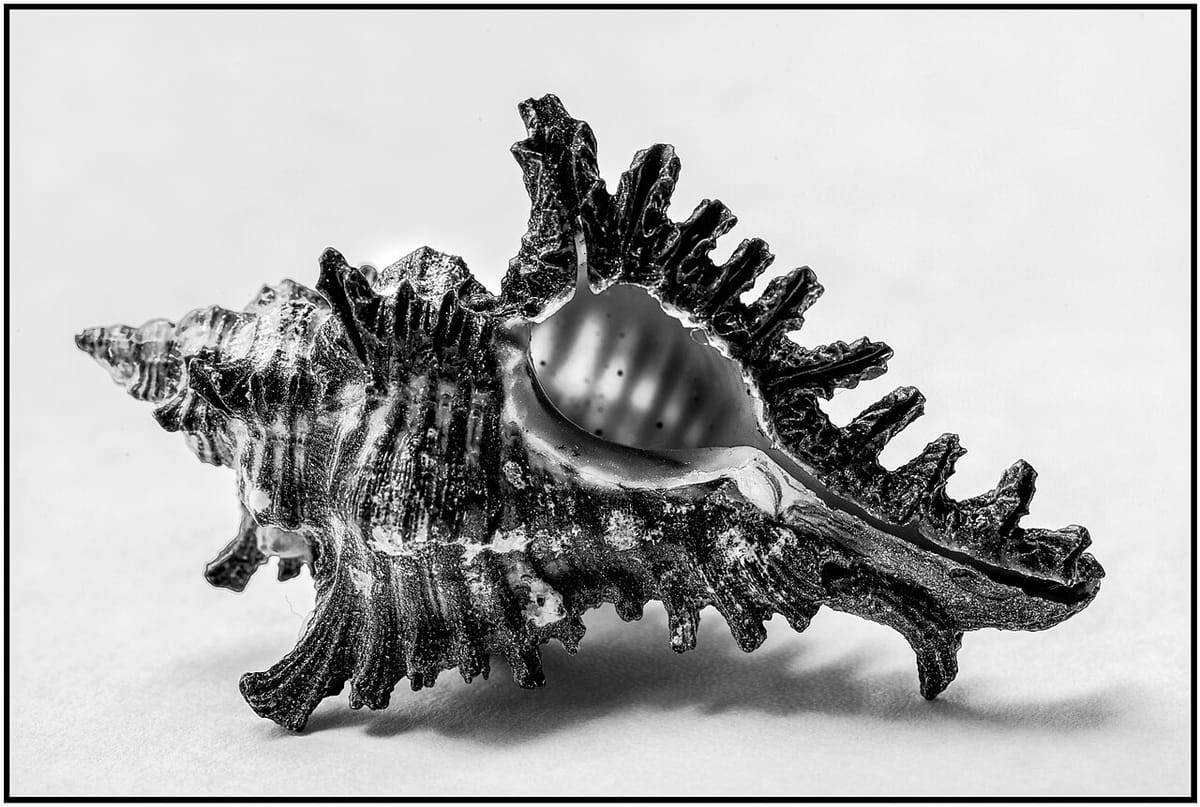
Yay? you might be thinking. Lol, I know that don’t take any advice is not good advice. And you SHOULD take some advice! But you have to treat it like picking up sea shells on the beach. If you pick them all up, indiscriminately, your bucket will be too heavy to carry. If you pick up nothing, you won’t have any shells to remind you of your lovely day at the beach. You have to pick up the ones that are right for you, examine each one to see if it fits your collection—only the best calicos, only the whole sand dollars—and leave the rest. When you go back to the beach the next time, for your next book, it will be a wholly different selection of shells and what you’ll need or want will be different, too. The hardest part of listening to and taking in publishing and writing advice is being confident enough to know what you need versus what is better suited to another writer. And the best way to gain that confidence is to write, this book and the next and the next.
Sagely yours,
OXOXOOXOXO
Kate
Just under ONE MONTH until my picture book PAY ATTENTION TO ME comes out! Preorder it now and fill out this form, and you’ll get a link to an exclusive AMA zoom meeting when you can really ask me anything! Zoom TBA!
Who am I and what is this? This is Agents & Books, a twice-weekly newsletter about writing, publishing, and the creative life. I've been an agent for almost 20 years, most of it at the Howard Morhaim Literary Agency, and I'm the author of soon to be two books: Write Through It: An Insider's Guide to Publishing and the Creative Life(Simon Element, 2025) and a picture book called Pay Attention to Me!, with illustrations by Rob Justus (Sourcebooks, 2026). If you haven't already, become a subscriber today. $5 a month or $50 a year. Same price since 2019!

Comments ()