
How To Be An Author: Practice Edition
Hello friends,
It seems, from the metrics I can see on the backend here, that y'all like this How To Be An Author series, and I'm so glad. I have so much to say about it and I'm energized to share it with you. I've written about just about everything it seems in almost seven years (!!!!) of this newsletter, and while I was once worried I'd run out of things to cover, I'm realizing now that the art and practice of writing and publishing is ever changing, and you, yourself, as a writer are ever changing (me too) so there's endless ways to learn and grow here. Thanks for reading.
I've been a writer my whole life. Over on Bluesky, I posted about how I realized why authors write "I've been a writer since I was 8 years old" in query letters. It's a largely meaningless statement. I've been running since I was 2 but you didn't see me at the NYC Marathon this weekend, as I like to say. But what struck me recently, as I saw this statement in yet another query letter, is that the writers who say this probably don't get a lot of opportunity to say they're a writer. They don't do it for a living (yet!) and they may not have author-friends they frequently talk to about the writing life. Saying it out loud to an agent is an empowering act. Everyone who writes should say they're a writer, in a query letter or otherwise. You are one. (Just know it's more for you than me in a query letter. 😄)
There's saying it, and then there's doing it. The difference between a writer and someone who just talks about writing, is–and you know what's coming–the writing part. To be a writer, you need to write. To write a book you need to...write. To get published you need to–say it with me!–WRITE.
Here are some of the best practices I've come up with over the last almost 40 years of being both a writer and someone who merely talks a lot of about being a writer.
You don't have to write everyday.
But you get the most out of writing most days. I can't write everyday. I have several jobs (including this newsletter and being a literary agent, not to mention being a parent) and there are plenty of days where writing for not-my-regular-income takes a backseat to everything else. When I am actively working on a project though, I benefit most from writing as often as I can, for as many consecutive days as I can manage, for whatever amount of time I can steal. Ten minutes, two hours, whatever. I see my word count go up, which is always gratifying, but even more importantly, the work stays fresh in my mind and plot points have a greater chance to unravel just as I'm walking around in the world. I spend less time reminding myself what I wrote last and things progress more quickly. Forcing yourself to write everyday can feel like a drag and many of us get demoralized by a broken streak. It's easier to try to write most days, however that works for you.
Use the pretty notebooks, goddammit.
If you're anything like me, you can't resist school supplies, stationery, nice pens, and writing gadgets. But stop hoarding them and use them already! This project, whatever one you're working on, is WORTH using the nice pen and the good journal. USE THEM. Use all those stickers you're "saving" since you were a kid while you're at it. They're doing no good sitting there in that box. The time is now to enjoy the tools you bought for whatever job you're doing.
Protect your body.
If you're a teenager reading this, you can ignore this advice. If you're in your twenties, you can ignore this advice for a few more years, and/or start some good habits now. If you're 30+ or otherwise have mobility concerns, LISTEN UP. Stop writing on your couch or in bed. Stop looking down at your laptop and stop craning your neck forward. Get a wireless mouse for chrissake and stop using the trackpad. You need to project your neck, wrists, and back if you want do this writing thing for a few more decades. Ask me how I know. Ask the partially herniated disk in my neck how I know. Bad writing posture, on TOP of looking down at our phones, tablets, and books, is bad news bears for your body in the long run.
You want things at right angles and parallels. Position your screen high enough that your chin is parallel to the floor. (Sorry for the Amazon links. None of them are affiliate ones.) Get a wireless keyboard and find the right placement for it. Your elbows should be bent at a right angle, your wrists flat and parallel to the floor, and your shoulders are relaxed. You might need a desk with a keyboard tray, or you might need to raise your chair or get an adjustable height desk (I got one at Costco and love it). If your feet don't touch the floor, get a footrest high enough so that your knees are bent at a right angle and your thighs are parallel to the floor. You can do a standing desk, but the stuff about shoulders/wrists/chin still apply. I have an ergonomic mouse and it takes a lot of pressure off my right wrist. Some people like those split keyboards but I haven't tried them. You probably need lumbar support in your chair. When I was in the throes of the worst of my neck pain, my PT asked me to send him a picture of me sitting at my desk. He wrote back "never sit there again" and he told me how to fix it. It improved my life SO SO SO much, on top of my writing life. If you are uncomfortable when you write, you won't write. You might be comfortable bedrotting and writing for a little while (and it's ok for short or sporadic sessions) but in the long run your body will protest and your writing (not to mention your joints) will suffer.
For the love of god OUTLINE.
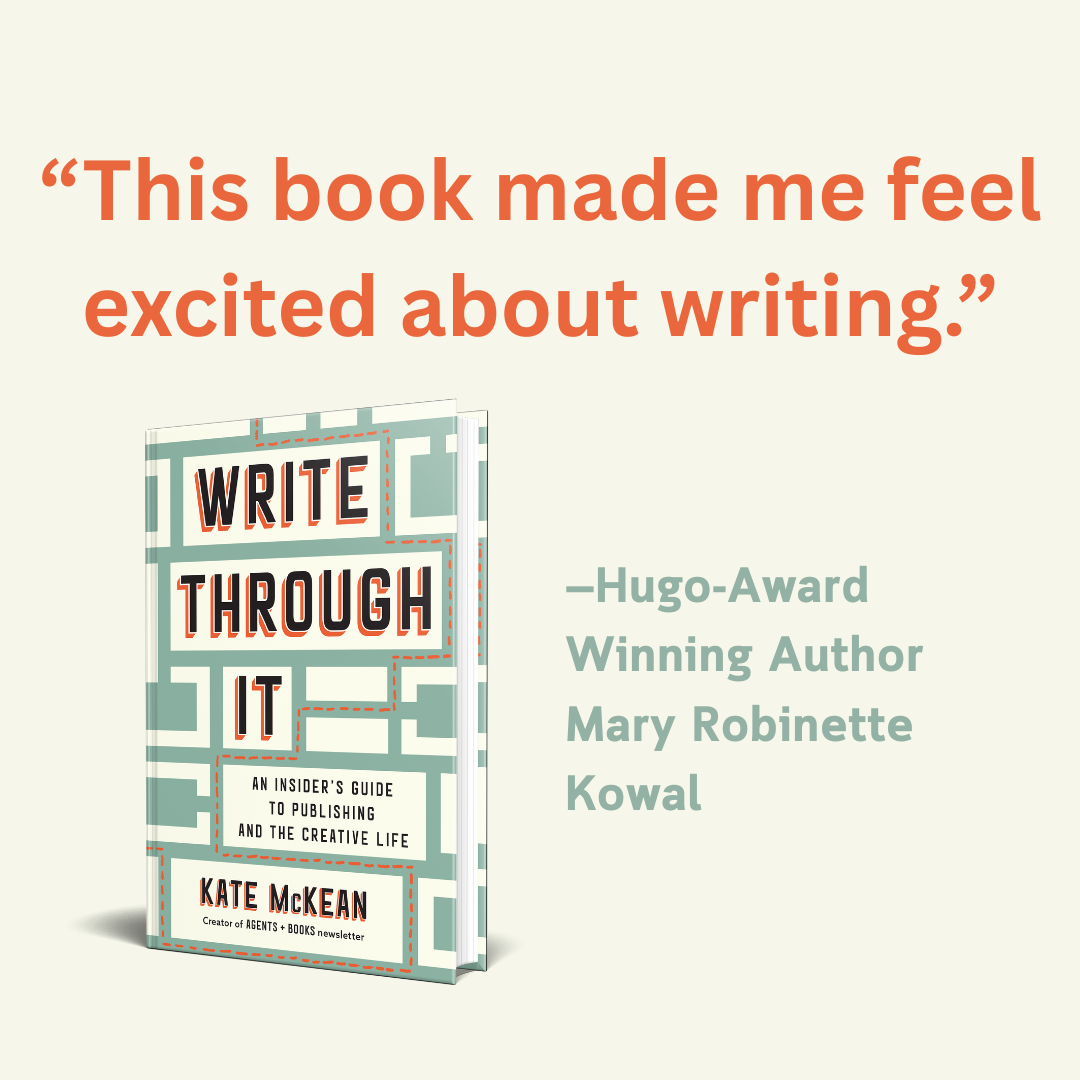
I know this is divisive but if you've read my book, you know that I am a staunch supporter of outlining. I've been known to outline particularly long emails! How the heck do you know what you're going to write if you don't plan it out first??? I know that some of you cannot be contained by the cage of an outline and you must let your creativity gallop free, and cool, great, I'm happy for you. But guess what? When you're done galloping, you know what helps? A REVERSE OUTLINE. When you're done, you can write an outline of what you actually wrote and that can help you see so much in the editing process. It doesn't have to be any fancy format–just a list of topics or plot points or whatever. Does chapter four have twice as many bullet points as chapter five? Uh oh. But now you know! And I bet that once you see what an outline can do for you, you'll want to do it again and again. Yes, I am pro-outline biased. But I'm also right.
Thinking is writing.
It took me a long time to realize that the weeks I spent thinking and jotting down notes and attempting outlines counted as writing time, even if my word count didn't go up. I really like tracking things and I often felt stressed over the days I spent staring at my screen trying to write, when I really needed to be just thinking. I can't write what I haven't thought of yet, and pity for me, my plots and theses don't come out fully formed from the jump. The days where nothing is coming out and the blank page taunts you? That might be a thinking day. (You know the difference between a thinking day and a I don't wanna day. Both are valid.) Don't beat yourself up if you need a thinking day. Go for a walk. That's where a lot of my good thinking happens anyway.
I could go on (and in fact do go on in my book!) but these are some of the things I think you need to know about the practice of writing. If you've learned anything essential about your writing practice, share it in the comments!
Happy pub day New York Times bestselling author Madeleine Roux and These Violet Delights! The second in a wonderful Regency romance series that Booklist called "a romantic masterpiece" in their starred review. Maddie is the author of 29 books with 3 more coming (!!!!!!!!). Like honestly she should be writing this How to Be An Author series. Here's Maddie to tell you about her new book!
Tell me more about your writing practice in the comments!!
XOXOXOX,
Kate

Comments ()