
Does Your Writing Practice Have Any Writing In It?
Yeah, me neither
Hello friends,
I got up early this morning to write. I'm 13k into a new book and I can't stop thinking about it and I want to write it so bad. The last month has been non-stop travel and work, so when I went to open the document today, I saw that I literally had not opened it for thirty days. This isn't unusual for me–I'm not an everyday writer–but for as much as I have been thinking about this book, it felt like I'd, you know, actually added words to the document more recently. Apparently not.
Thinking counts. If I've learned anything about how to write a book in the last ten years it's that I can't force the thinking. I can write you twenty outlines for twenty (bad) books in an afternoon, but to get to the good ideas, I have to chew on them a bit. The good, usable, special, interesting revelations unfold in their own time, and that's just how it goes for me.
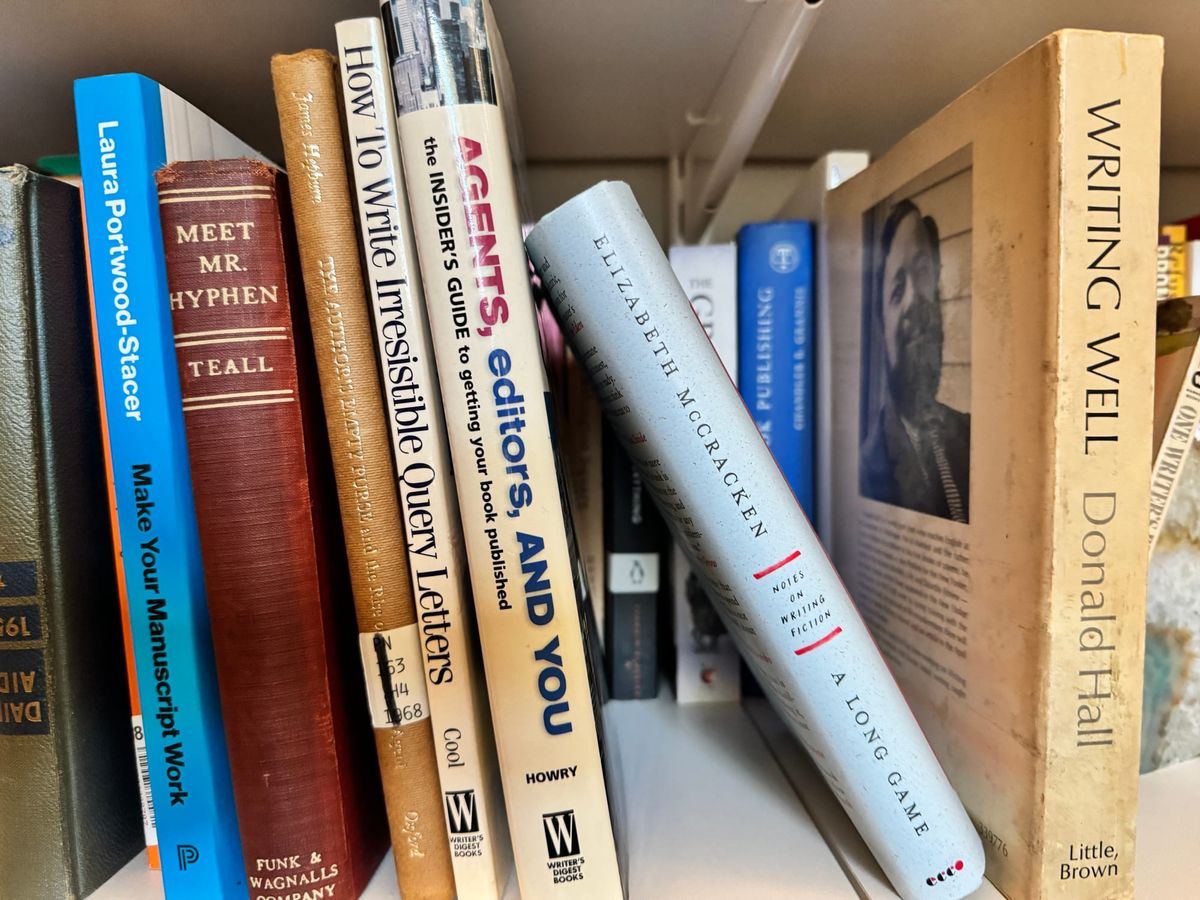
What I did do in the last month, besides go to four conferences, sign at two bookstores, and visit four states, is read Elizabeth McCracken's new craft book The Long Game: Notes on Writing Fiction, which I bought at Parnassus Books in Nashville. I underlined so much in that book. Everything she says is correct, even the things I disagree with. She would agree with that take as well, which is clear when you read the book, and you should. I love craft books, really any book fiction or non-fiction about writing and publishing, and this is a good one. Favorite lines include:
A writing life, I've come to believe, is a yearslong process of casting away everything you once believed for sure. (p. 2)
Too many people try to write somebody else's book, hoping that it's publishable. (p. 10)
Courting disappointment, hoping for the best. This, too, is training for writing fiction. (p. 32)
For young writers, I'm not good at plot generally means I don't really care about plot. (p. 42)
Every writer knows the worry of wondering whether anybody would be interested in the work... Your own interest is what's important. Your own interest matters, cannot be faked, is the animating spirit. (p. 87)
Characters, like writers, must fail. (p. 98)
JUST BECAUSE SOMETHING'S SERIOUS DOESN'T MAKE IT DEEP. (p. 150)
20 percent of the advice you will receive will be directly applicable to your work. That 20 percent is gold. There's no substitute for it. The other 80 percent might be well-meaning, well-argued, intelligent–it will just be this critic talking to themself. (p. 160)
NO CAREER INCLINES ONLY UPWARD. (p. 175)
And the last line: I am a genius with much to learn. (p.188)
All of this is so useful. So poignant. So applicable, until it's not, and then later when it is again. I will need some of this advice tomorrow and I probably needed it a few years ago and all of that is ok. It will find me when I need it or vice versa.
But none of it is going to write this novel for me.
I do not think I should have been writing my novel instead of reading Elizabeth McCracken's book. I could not have been (that's what I told myself anyway) when I was exhausted from traveling and presenting and workshopping and living outside my routine. Could I have snuck a couple hundred words in here and there? Yes. But I didn't. I was tired. It's ok. I will not beat myself up about this.
What is my writing practice then? In actuality it is getting a lightning bolt of an idea that I'm obsessed with and want to tell everyone about so that they'll tell me it's genius and a guaranteed hit. Then I write about 1000 words in a flurry of excitement and get to the first point where I have to make a decision and my momentum flags. I'll just outline, I think, which is a great way to stall making that first decision that leads to all the other decisions. Since I'm abstaining from outlining for this book, I've actually made it to 13k words, most of which will be cut, changed, and moved around in the editing process. But that's future Kate's problem. Now I really have to make decisions, which is hard, which means I'm reluctant to open the document, because it's hard, and thus I haven't made much progress. There just doesn't seem to be much writing in my writing practice, and that's the thing I need to focus on. Chewing on ideas, taking care of myself, resting when I need to, maybe outlining, reading for inspiration–those are all important part of my writing practice.
The other important part, the most important part, is the writing. Without that, nothing else can happen.
I cannot troubleshoot my way into a perfect novel that will need minimal editing that's sure to sell and be a big hit. I can't know if a book will work until I write it. You can't make it come out perfect the first time, and neither can I, regardless of my experience. The way to write a successful book is to write it, write it again, edit it several times start to finish, possibly rewrite it from scratch one or more times, edit that, and then send it out. No matter how excited I am about this idea–and I am!–or how marketable I think it will or won't be–I hope!–literally nothing happens until I write it.
My writing practice should be: write. Yours should be, too.
OXOXOXOXOX,
Kate
My debut picture book comes out in TWO WEEKS! If you preorder now, and fill out this form, you'll be invited to an exclusive AMA Zoom meeting where you can ask me anything! Live and on the internet! Date TBD! Order now from the Strand and I'll sign it! Join me on May 9th at the Strand Union Square in NYC at 11am for story time!
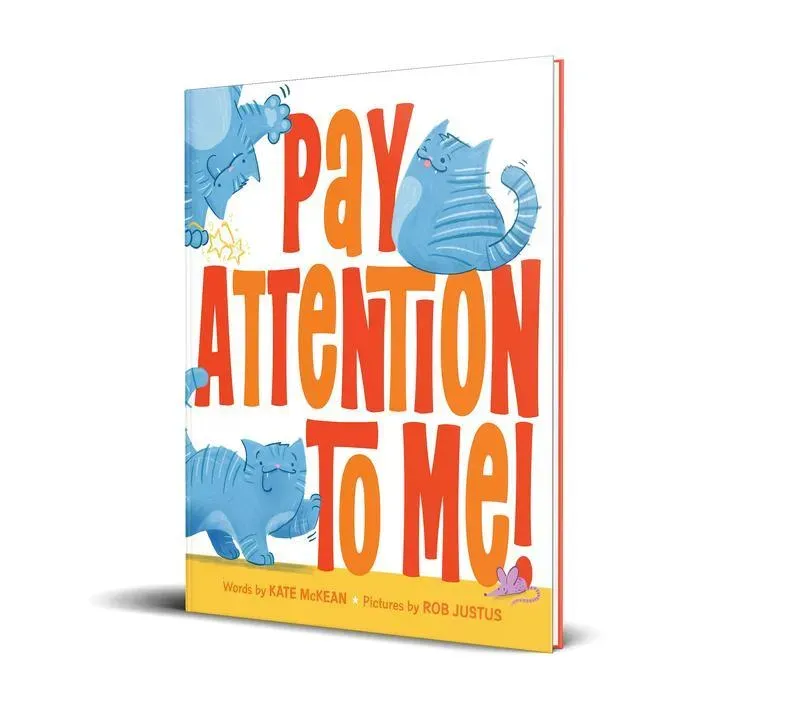
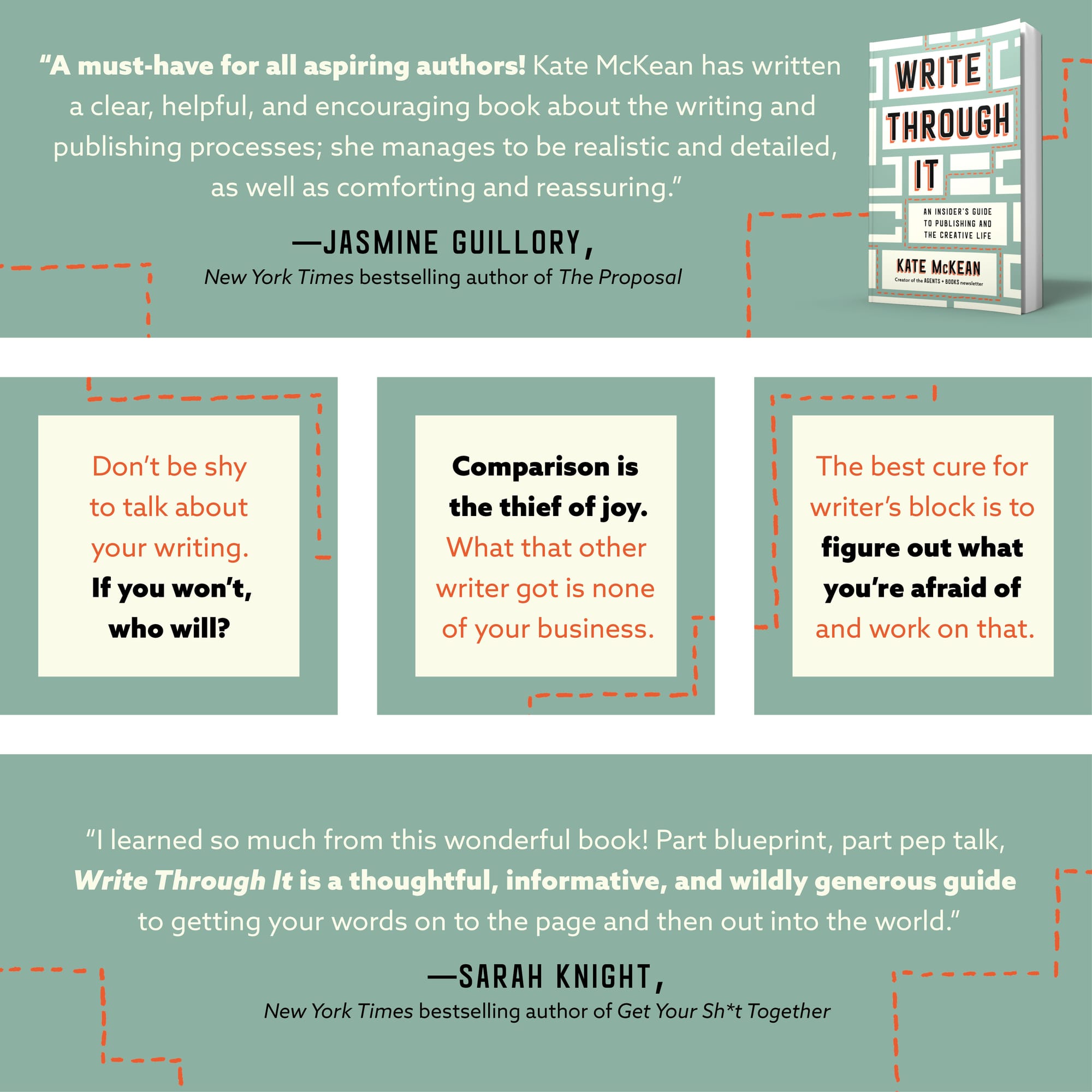
Who am I and what is this? This is Agents & Books, a twice-weekly newsletter about writing, publishing, and the creative life. I've been an agent for almost 20 years, most of it at the Howard Morhaim Literary Agency, and I'm the author of soon to be two books: Write Through It: An Insider's Guide to Publishing and the Creative Life (Simon Element, 2025) and a picture book called Pay Attention to Me!, with illustrations by Rob Justus (Sourcebooks, 2026). If you haven't already, become a subscriber today. $5 a month or $50 a year. Same price since 2019!

Comments ()